
What Weight Of Paper Is Best For Brochures
What Weight Of Paper Is Best For Brochures - For example, if you want to know how. Are you printing color copies or black and white copies? The answer would depend on what you need. Uncoated, weight, finish, and tips. For instance, a text weight might range from 60 to 100 pounds, suitable for the inner pages of books and brochures, indicating a lighter, thinner paper. Learn the best paper for business cards, brochures, and more—coated vs. For example, business cards require heavier paper for a solid,. What paper works best for brochures? It is thicker than 80g paper and offers a better grip. You can also use 80 lb or 100 lb. If, for example, you need something that can lay flat on a surface, a thinner paper stock. Paper weight is a very critical aspect to consider when designing an a1 or a2 wall planner that will be folded to an a4 or a5 size. For example, business cards require heavier paper for a solid,. It determines how sturdy and durable the paper feels and affects its quality and usability. For example, if you want to know how. A popular choice for standard. In general, the higher the gsm rating, the heavier and thicker the paper will be. The answer would depend on what you need. It is thicker than 80g paper and offers a better grip. It can run as low as 50 lbs (regular. The weight provides just the right amount of. Midweight paper, ideal for most brochures. If, for example, you need something that can lay flat on a surface, a thinner paper stock. In general, the higher the gsm rating, the heavier and thicker the paper will be. Standard weights typically range from 80 lb. Paper weight is a very critical aspect to consider when designing an a1 or a2 wall planner that will be folded to an a4 or a5 size. The weight of paper you should use depends on the project at hand. You can also use 80 lb or 100 lb. 90 gsm is a typical paper for. The paper is thin. The easy answer is that most brochures will look and feel good printed on 100 lb silk text. In general, the higher the gsm rating, the heavier and thicker the paper will be. It is also quite inexpensive. Most people prefer to use text paper as their paper of choice for brochures and flyers, as text paper is a thicker,. Paper weight refers to the thickness and heaviness of paper. It can run as low as 50 lbs (regular. Common weights for brochures include: The higher the gsm rating the heavier and thicker the paper will be. Are you printing booklets, brochures,. Paper weight is measured in grams per square metre (gsm). This really boils down to preference, but in general, here is a quick guide: For instance, a text weight might range from 60 to 100 pounds, suitable for the inner pages of books and brochures, indicating a lighter, thinner paper. Luckily for you, we have a list of the best. The higher the gsm rating the heavier and thicker the paper will be. The weight of paper you should use depends on the project at hand. What paper works best for brochures? Luckily for you, we have a list of the best paper weights to use. Paper stock selection affects everything. Uncoated, weight, finish, and tips. According to our 30 years and counting of professional experience in the offset printing industry, we know that most brochures work best when printed on paper no lighter. Over 300gsm falls into the 'board' category. Selecting the right weight ensures that the. If, for example, you need something that can lay flat on a surface,. Paper weight is measured in grams per square metre (gsm). What weight of paper should i use? Lightweight and economical, suitable for mailers. Common weights for brochures include: Uncoated, weight, finish, and tips. Weight, finish, texture—all impact perception of your brand presentation. It is also quite inexpensive. The easy answer is that most brochures will look and feel good printed on 100 lb silk text. The answer would depend on what you need. Lightweight and economical, suitable for mailers. It is also quite inexpensive. The paper is thin and so effective for lots of pages which are low cost and don't need to last long. It determines how sturdy and durable the paper feels and affects its quality and usability. Luckily for you, we have a list of the best paper weights to use. For example, if you want. The higher the gsm rating the heavier and thicker the paper will be. For example, business cards require heavier paper for a solid,. Choose the best paper weight according to the specifics of your print job. The easy answer is that most brochures will look and feel good printed on 100 lb silk text. So what paper weight is right for you? Most people prefer to use text paper as their paper of choice for brochures and flyers, as text paper is a thicker, sturdier form of cardstock. The offset printing industry has experienced 30 years of experience, and most brochures work best when printed on paper no. With a medium weight, this type of paper is a good choice for larger brochures. Selecting the right weight ensures that the. Which weight paper is best for brochures? Paper weight is measured in grams per square metre (gsm). Your complete guide to choosing the. Paper weight refers to the thickness and heaviness of paper. Common weights for brochures include: The paper is thin and so effective for lots of pages which are low cost and don't need to last long. Paper weight is a very critical aspect to consider when designing an a1 or a2 wall planner that will be folded to an a4 or a5 size.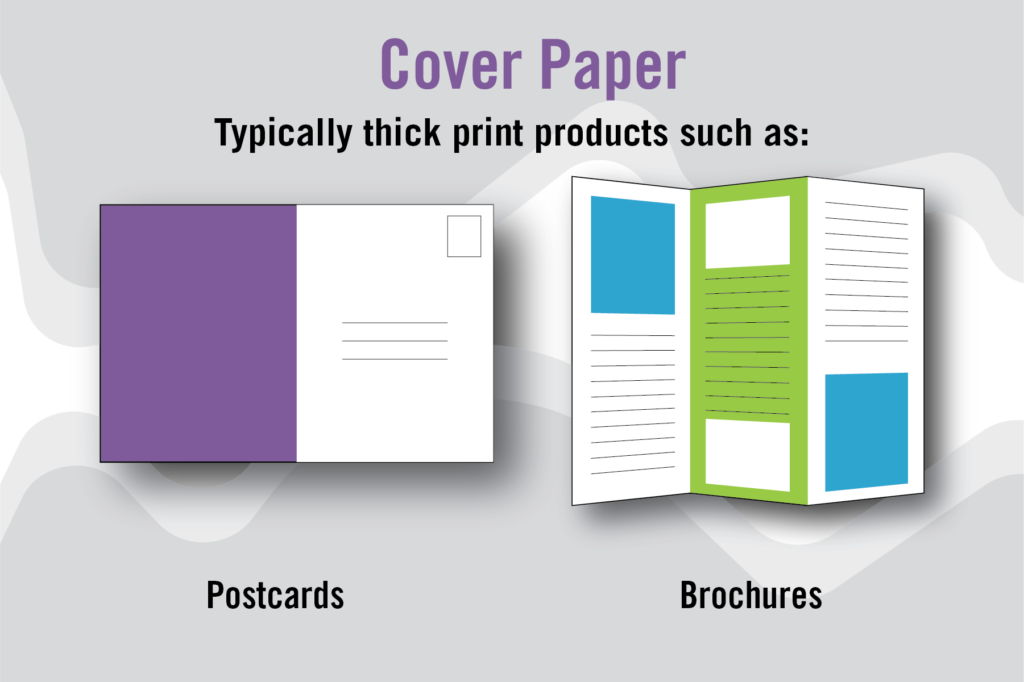
The Ultimate Guide to Understanding Paper Weight Poor Richard’s Press

Brochure Size 101 A Beginner's Guide

Paper Weight Guide
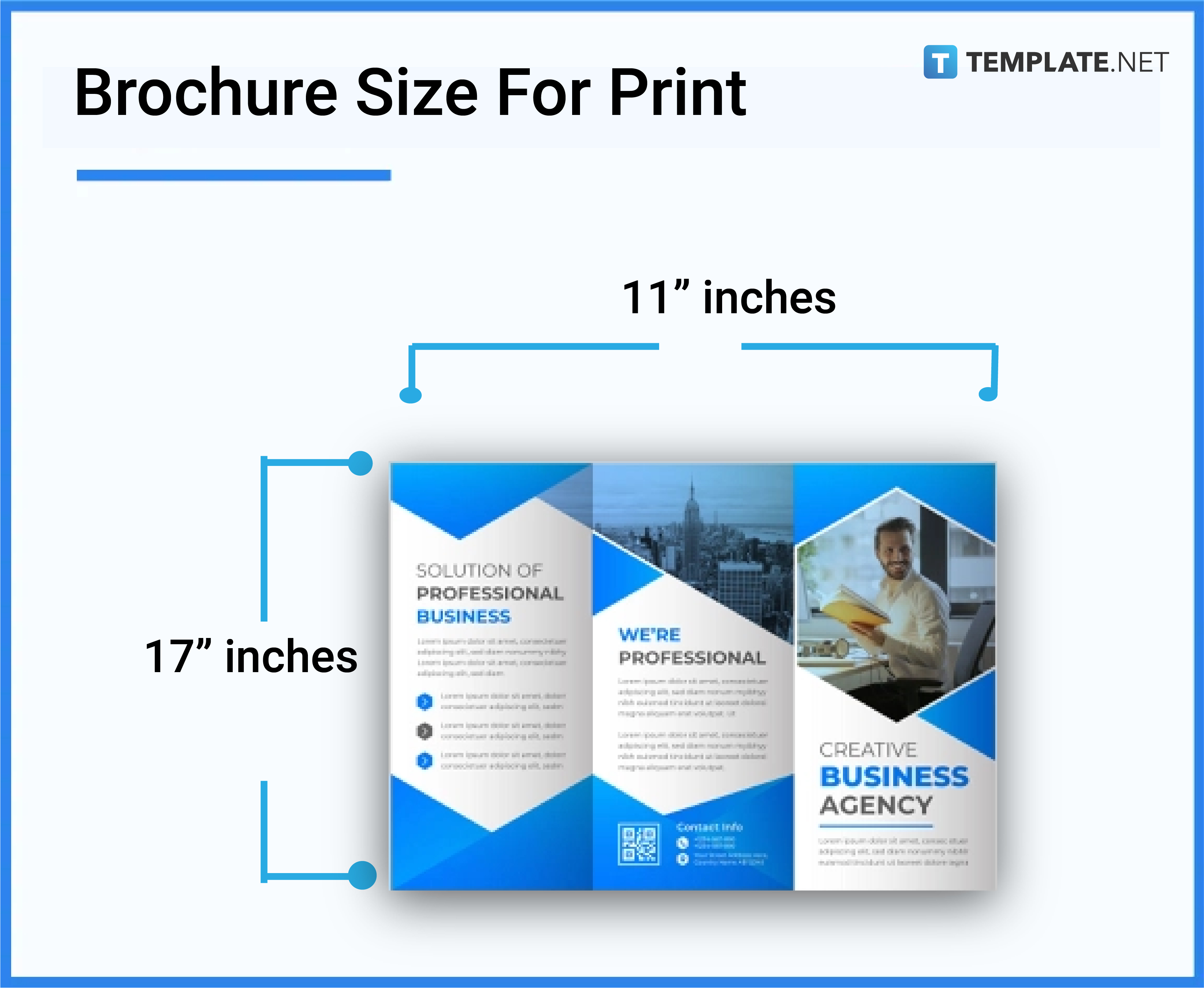
Brochure Size Dimension, Inches, mm, cms, Pixel

How to Choose the Right Paper for Brochure Printing EZ Print

Paper Weight For Brochures at Rosa Coffey blog
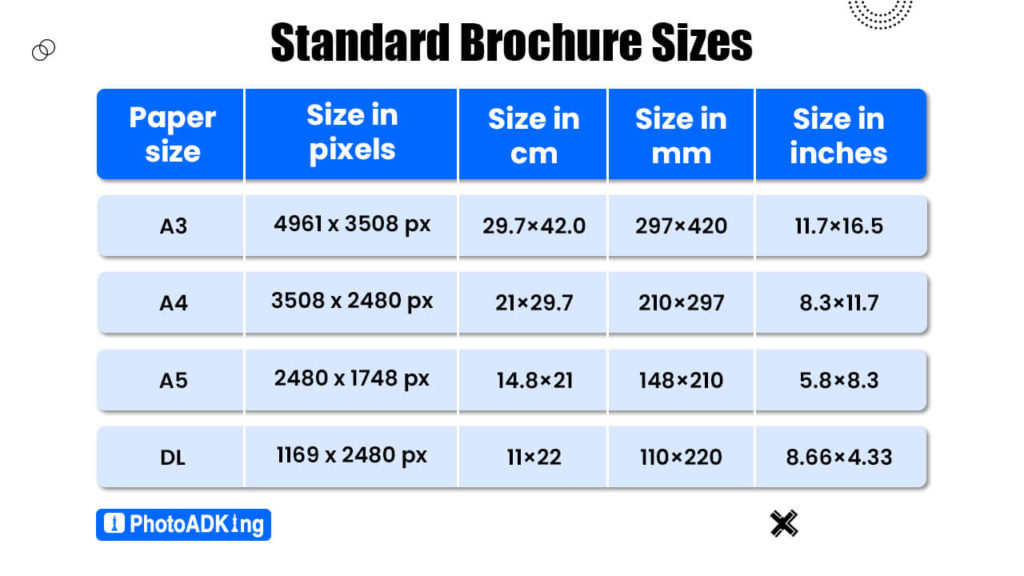
Standard Brochure Sizes and Dimensions
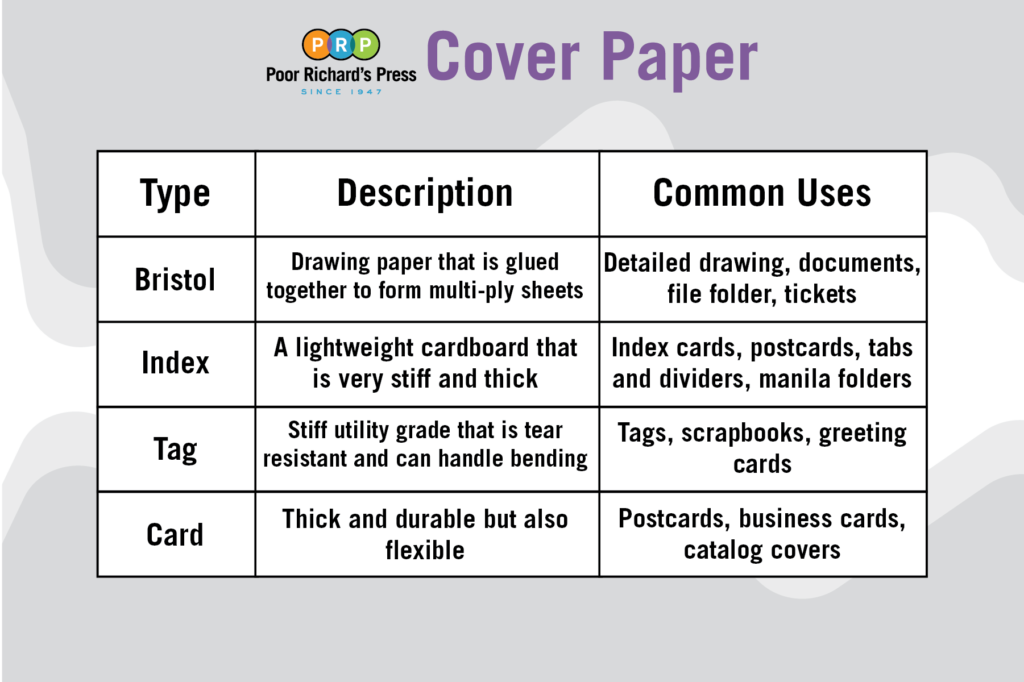
The Ultimate Guide to Understanding Paper Weight Poor Richard’s Press
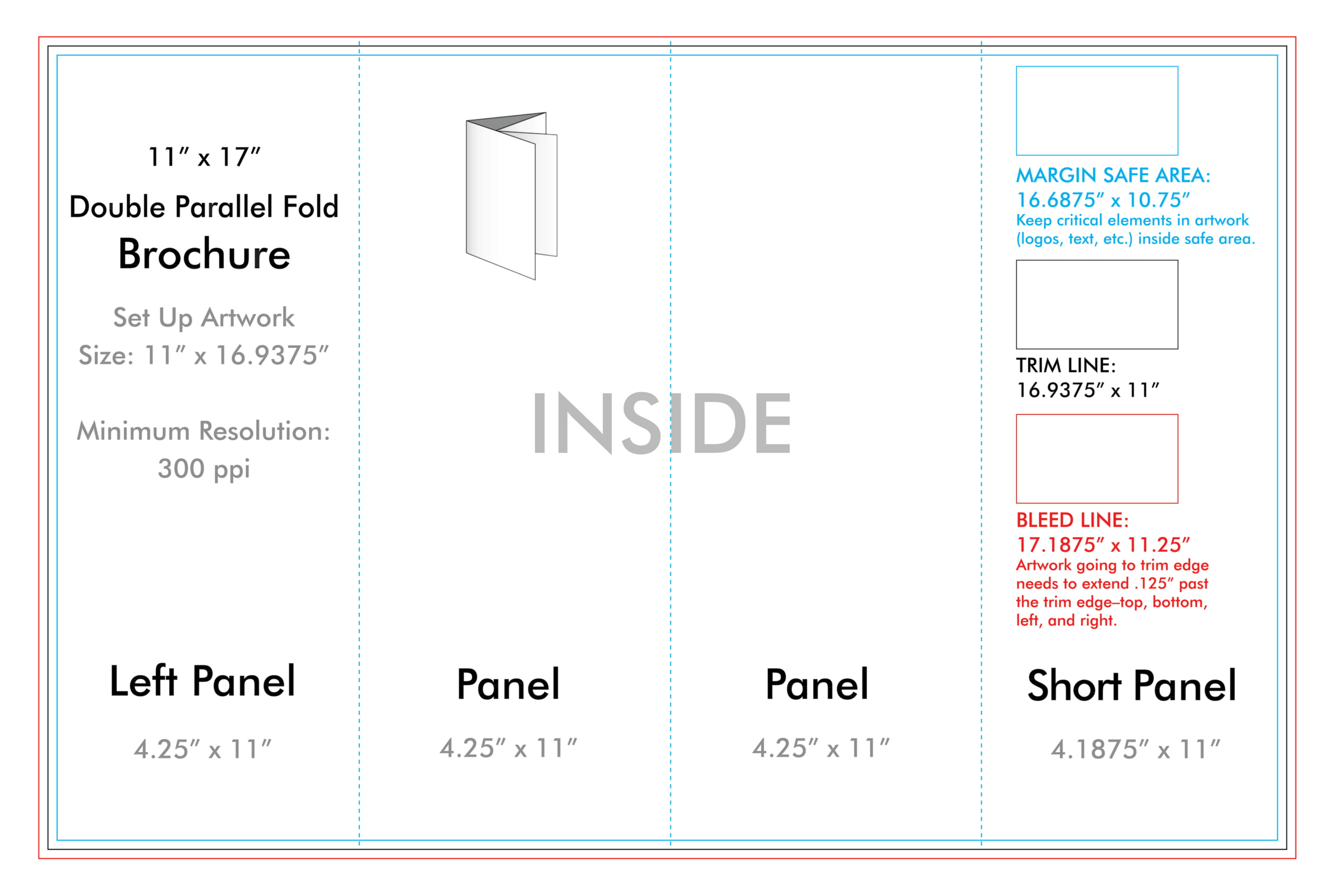
11" x 17" Double Parallel Brochure Template U.S. Press
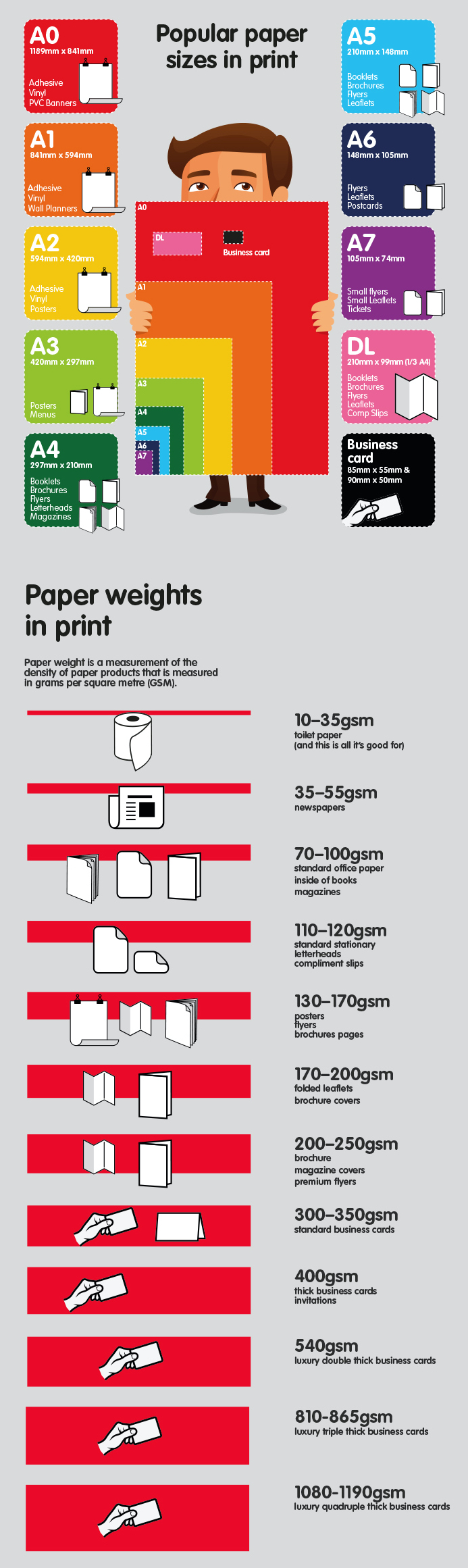
Paper Weight Paper Thickness Paper Weight Guide
For Instance, A Text Weight Might Range From 60 To 100 Pounds, Suitable For The Inner Pages Of Books And Brochures, Indicating A Lighter, Thinner Paper.
If, For Example, You Need Something That Can Lay Flat On A Surface, A Thinner Paper Stock.
Weight, Finish, Texture—All Impact Perception Of Your Brand Presentation.
How Do You Choose The Best Paper Weight For Your.
Related Post: