
Gerd Brochure
Gerd Brochure - What are the symptoms of gerd? Gerd is a chronic digestive disease that occurs when stomach acid flows back (refluxes) into your food pipe (esophagus) through the lower esophageal sphincter (les). What is gastroesophageal reflux disease (gerd)? What is gastroesophageal reflux disease (gerd)? What factors increase the risk of having gerd? What can i do to make. Gastroesophageal reflux disease (gerd) occurs when stomach contents backflow into the esophagus, such as regurgitation of stomach acid along with undigested food, causing. If you think you have gerd, you should seek medical advice. Gastroesophageal reflux disease (gerd) is a common condition that develops when food or stomach contents back up or reflux into the esophagus (food passageway) and cause. Heartburn also known as acid reflux, is a common complaint, characterized most commonly by indigestion or chest pain or discomfort. Here are some specific questions this. Gastroesophageal reflux disease (gerd) occurs when stomach contents backflow into the esophagus, such as regurgitation of stomach acid along with undigested food, causing. What can i do to make. What is gastroesophageal reflux disease (gerd)? Products · echo · solutions Gastroesophageal reflux disease (gerd) is a more serious form of acid reflux. The condition known as gastroesophageal reflux disease (gerd) develops when. Gastroesophageal reflux disease (gerd) is a common condition that develops when food or stomach contents back up or reflux into the esophagus (food passageway) and cause. What factors increase the risk of having gerd? If you suffer from symptoms frequently, you may have. This information explains the causes and symptoms of gastroesophageal reflux disease (gerd) and how to treat it. Gastroesophageal reflux disease, or gerd, is a very common disorder. Gastroesophageal refers to the stomach and the esophagus. What can i do to make. Heartburn also known as acid reflux, is a common complaint, characterized most commonly by indigestion or chest pain or. If you think you have gerd, you should seek medical advice. Gastroesophageal reflux disease (gerd), also referred to as reflux, is a chronis digestive disease in which acid and bile flow back from the stomach into the esophagus, creating pain and often. What factors increase the risk of having gerd? Gerd is a chronic digestive disease that occurs when stomach. Ger that occurs more than twice a week for a few weeks could be. Blocks acid production24hr protectionfrequent heartburn relief24 hour protection Gerd (gastroesophageal reflux disease) occurs when stomach contents, including acid or bile, flow back (refluxes) into your esophagus, mouth or lungs and irritates the lining. Gastroesophageal reflux disease (gerd) occurs when stomach contents backflow into the esophagus, such. Blocks acid production24hr protectionfrequent heartburn relief24 hour protection The content is comprehensive, and provides. What are the symptoms of gerd? This is when acid reflux is long term (chronic) and causes damage to the body over time. Gastroesophageal reflux disease, or gerd, is a very common disorder. Here are some specific questions this. Heartburn that occurs more than 2x a week for a few weeks can be gerd. If you suffer from symptoms frequently, you may have. Gastroesophageal reflux disease (gerd) is a more serious form of acid reflux. Gastroesophageal reflux disease, or gerd, is a very common disorder. What factors increase the risk of having gerd? Gastroesophageal reflux disease (gerd) occurs when stomach contents backflow into the esophagus, such as regurgitation of stomach acid along with undigested food, causing. Heartburn that occurs more than 2x a week for a few weeks can be gerd. Gerd (gastroesophageal reflux disease) occurs when stomach contents, including acid or bile, flow back. The condition known as gastroesophageal reflux disease (gerd) develops when. Gerd is a disorder where the contents of your stomach flow back into your. This information explains the causes and symptoms of gastroesophageal reflux disease (gerd) and how to treat it. What factors increase the risk of having gerd? Gastroesophageal reflux disease (gerd) is a common condition that develops when. If you suffer from symptoms frequently, you may have. What are the symptoms of gerd? Gastroesophageal reflux disease (gerd), also referred to as reflux, is a chronis digestive disease in which acid and bile flow back from the stomach into the esophagus, creating pain and often. Gastroesophageal reflux disease (gerd) is a common condition that develops when food or stomach. Gastroesophageal reflux disease (gerd), also referred to as reflux, is a chronis digestive disease in which acid and bile flow back from the stomach into the esophagus, creating pain and often. Ger that occurs more than twice a week for a few weeks could be. Gastroesophageal reflux disease (gerd) is a more serious form of acid reflux. What are the. Gastroesophageal reflux disease, or gerd, is a very common disorder. If you think you have gerd, you should seek medical advice. What is gastroesophageal reflux disease (gerd)? Gastroesophageal reflux disease (gerd) is a common condition that develops when food or stomach contents back up or reflux into the esophagus (food passageway) and cause. Ger that occurs more than twice a. Gerd (gastroesophageal reflux disease) occurs when stomach contents, including acid or bile, flow back (refluxes) into your esophagus, mouth or lungs and irritates the lining. The condition known as gastroesophageal reflux disease (gerd) develops when. The content is comprehensive, and provides. Gastroesophageal reflux disease, or gerd, is a very common disorder. Gastroesophageal reflux disease (gerd), also referred to as reflux, is a chronis digestive disease in which acid and bile flow back from the stomach into the esophagus, creating pain and often. What are the symptoms of gerd? If you think you have gerd, you should seek medical advice. Gastroesophageal refers to the stomach and the esophagus. Products · echo · solutions Ger that occurs more than twice a week for a few weeks could be. What is gastroesophageal reflux disease (gerd)? Gastroesophageal reflux disease (gerd) occurs when stomach contents backflow into the esophagus, such as regurgitation of stomach acid along with undigested food, causing. Heartburn that occurs more than 2x a week for a few weeks can be gerd. Gastroesophageal reflux disease (gerd) is a more serious form of acid reflux. This information explains the causes and symptoms of gastroesophageal reflux disease (gerd) and how to treat it. Blocks acid production24hr protectionfrequent heartburn relief24 hour protection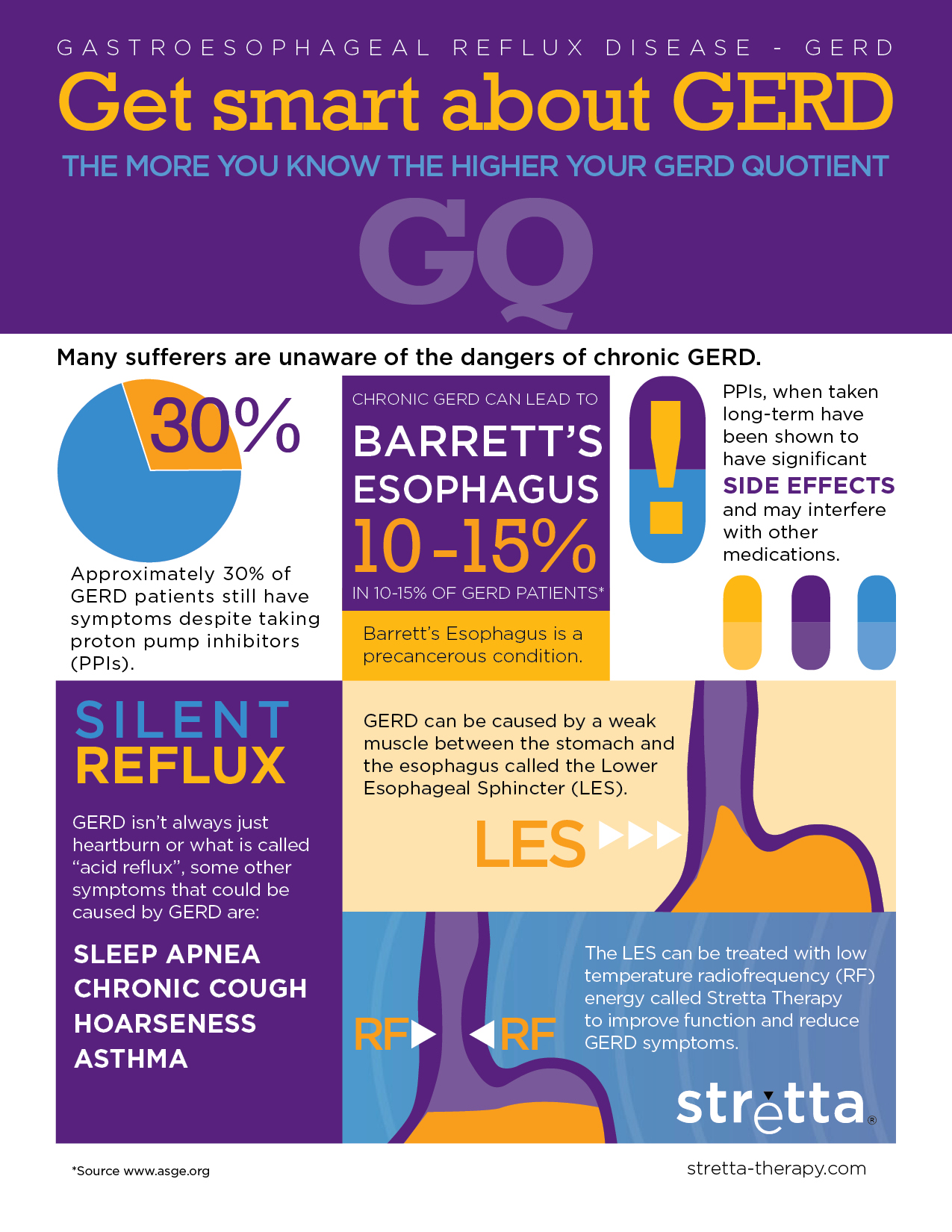
GERD Awareness Week Spotlights Need for Patient Education on Chronic
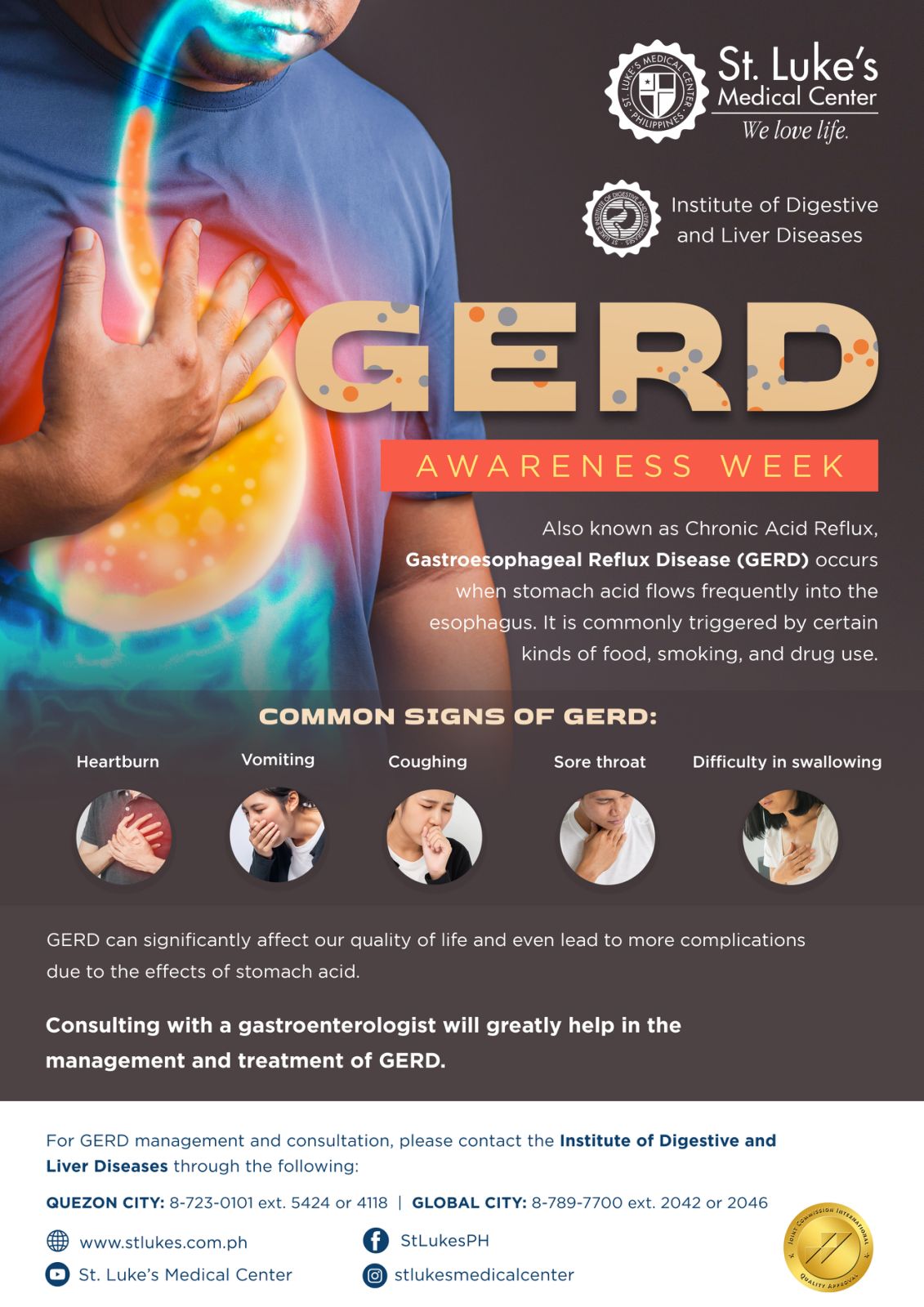
GERD Awareness Week News & Press Releases
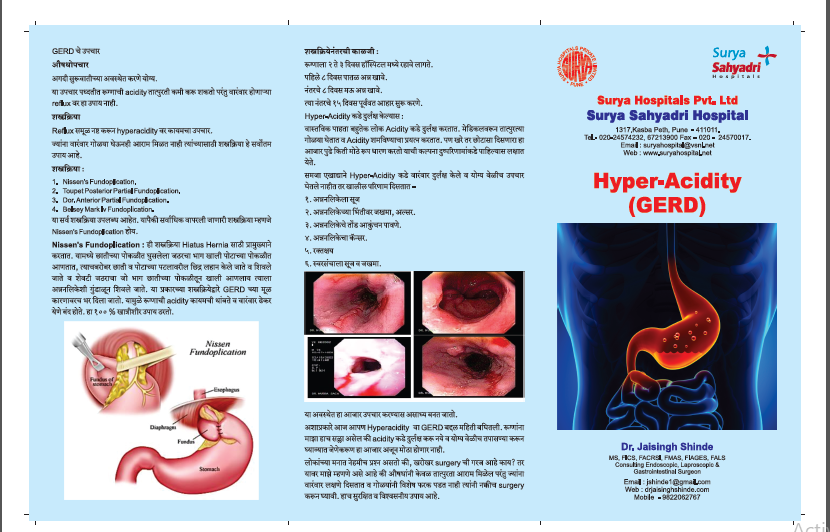
Patient Education drjaisinghshinde

GERD Informational Guide GERD Informational Guide

Tools & Resources World Gastroenterology Organisation
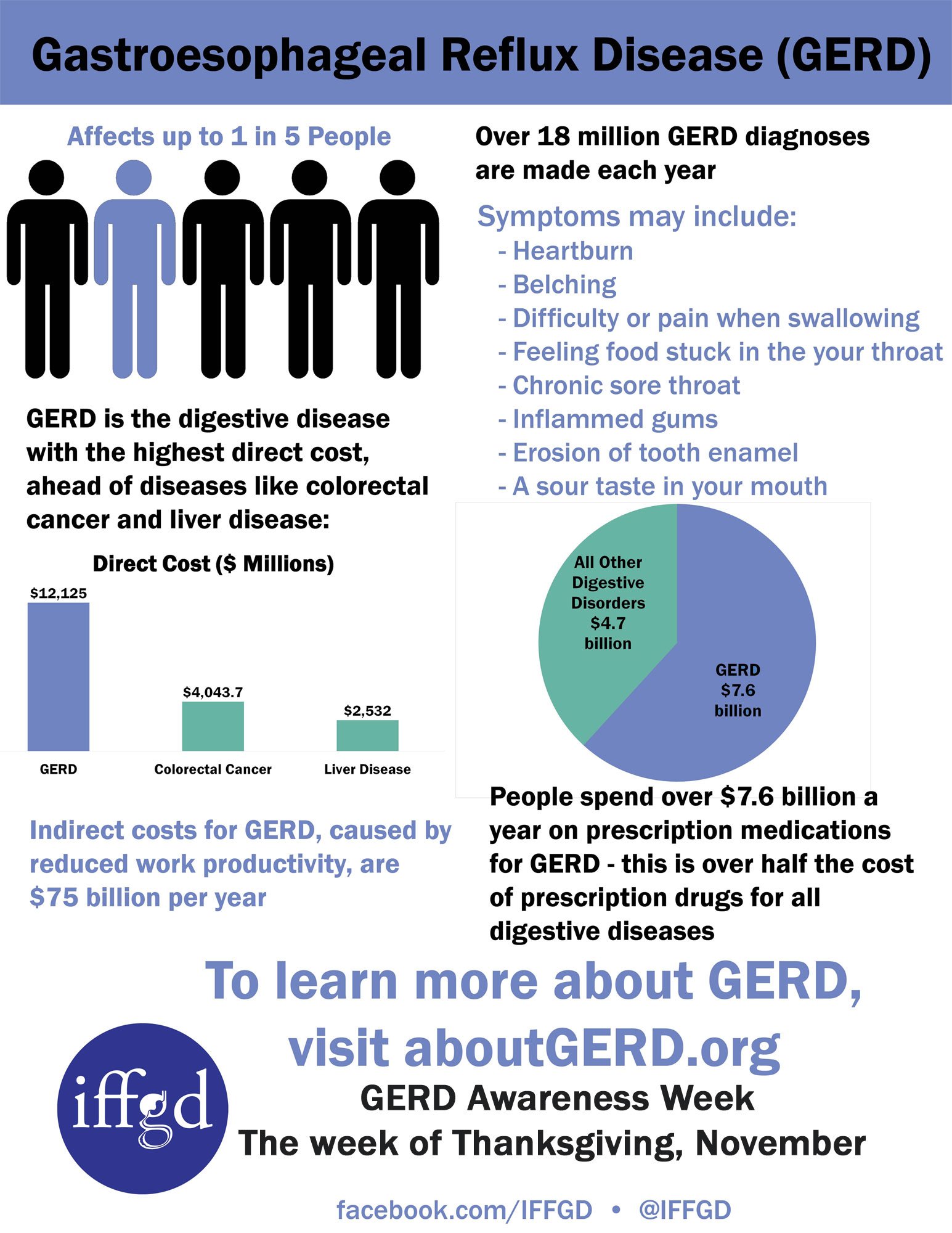
GERD Awareness Week About GERD

Gastroesophageal Reflux Disease Gerd Infographics Symptoms 스톡 벡터(로열티 프리

Is it GERD? pamphlet(147) by Pritchett & Hull Associates, Inc. Issuu

Gastroesophageal Reflux Disease Gerd Infographics Symptoms Stock Vector

GERD Infographic Canadian Digestive Health Foundation
If You Suffer From Symptoms Frequently, You May Have.
What Can I Do To Make.
This Is When Acid Reflux Is Long Term (Chronic) And Causes Damage To The Body Over Time.
Gerd Is A Chronic Digestive Disease That Occurs When Stomach Acid Flows Back (Refluxes) Into Your Food Pipe (Esophagus) Through The Lower Esophageal Sphincter (Les).
Related Post: