
Brochure Material
Brochure Material - The thickness of the paper is known as paper density. If you’re wondering about the best type of paper for brochures, the easy answer is that most brochures will look and feel good when they’re printed on 100 lb silk text. Brochure printing is the process of creating printed materials in the form of a booklet or pamphlet. These materials can be used for a variety of purposes, including product. In the intricate world of brochure printing, choosing paper is a vital. This guide will help you explore the various types of paper for brochure printing and how to select. Dive into our comprehensive guide, exploring paper types, finishes, and weights. Everything you need to know to choose paper for your printed brochure. By the end of this post, you’ll have everything you need to create, design and print a great brochure that drives results and makes a lasting impact on your target audience. Discover the art of choosing the perfect paper for brochure printing! The paper is covered with a layer of coating, which can be. Perfect as handouts, takeaways or mailing inserts, and can be used in almost every industry. The thickness of the paper is known as paper density. Brochure materials are essential for effective marketing strategies. Brochure design transforms basic information into compelling visual storytelling.it’s where print marketing materials meet strategic communication. This guide will help you explore the various types of paper for brochure printing and how to select. Explore types, weights, and printing options for creating stunning, effective marketing materials. Coated paper is one of the most popular choices for business printing, especially for marketing materials like brochures and flyers. Typically, there are two types available. According to our 30 years and counting of professional experience in the offset printing industry, we know that most brochures work best when printed on paper no lighter. Typically, there are two types available. Brochure printing is the process of creating printed materials in the form of a booklet or pamphlet. The paper you chose for your brochure can subliminally impact your brand image as much as a poorly thought out campaign, so it's important to make the right decisions. Brochure design transforms basic information into compelling visual. Choosing the right paper for your brochure is essential as it. When you talk about brochure paper, you’re really talking about two things: When it comes to brochures, you’ve got two main options: Brochure design transforms basic information into compelling visual storytelling.it’s where print marketing materials meet strategic communication. Dive into our comprehensive guide, exploring paper types, finishes, and weights. In this article, i will guide you through the process of selecting the perfect paper for your brochure printing needs. Choosing the right paper for your brochure is essential as it. At its core, the brochure definition is simple. Coated paper is one of the most popular choices for business printing, especially for marketing materials like brochures and flyers. Typically,. It’s a printed marketing material designed to provide information about a business, product or service. According to our 30 years and counting of professional experience in the offset printing industry, we know that most brochures work best when printed on paper no lighter. Coated paper is one of the most popular choices for business printing, especially for marketing materials like. Choosing the right paper for your brochure is essential as it. At its core, the brochure definition is simple. Brochure printing is the process of creating printed materials in the form of a booklet or pamphlet. The paper is covered with a layer of coating, which can be. According to our 30 years and counting of professional experience in the. It’s a printed marketing material designed to provide information about a business, product or service. The thickness of the paper is known as paper density. If you’re wondering about the best type of paper for brochures, the easy answer is that most brochures will look and feel good when they’re printed on 100 lb silk text. According to our 30. When you talk about brochure paper, you’re really talking about two things: Coated paper is one of the most popular choices for business printing, especially for marketing materials like brochures and flyers. The paper you chose for your brochure can subliminally impact your brand image as much as a poorly thought out campaign, so it's important to make the right. The type of paper you choose can make or break your project’s success. These materials can be used for a variety of purposes, including product. Perfect as handouts, takeaways or mailing inserts, and can be used in almost every industry. Learn which paper weight to choose and whether a gloss, matte or uncoated paper is the best choice. Below we’ve. According to our 30 years and counting of professional experience in the offset printing industry, we know that most brochures work best when printed on paper no lighter. Whether you’re producing marketing materials for a corporate event, a community gathering, or an artistic showcase, the right brochure paper can enhance your presentation. Brochure design transforms basic information into compelling visual. Brochure design transforms basic information into compelling visual storytelling.it’s where print marketing materials meet strategic communication. The type of paper you choose can make or break your project’s success. Typically, there are two types available. It’s a printed marketing material designed to provide information about a business, product or service. According to our 30 years and counting of professional experience. Learn which paper weight to choose and whether a gloss, matte or uncoated paper is the best choice. The type of paper you choose can make or break your project’s success. Everything you need to know to choose paper for your printed brochure. It’s measured in grams per square meter. In the intricate world of brochure printing, choosing paper is a vital. Brochure printing is the process of creating printed materials in the form of a booklet or pamphlet. Read on to determine what paper, weight, and finish are best for you!. Follow this guide to learn the best practices for picking out the best paper for your brochure. Whether you’re producing marketing materials for a corporate event, a community gathering, or an artistic showcase, the right brochure paper can enhance your presentation. It’s a printed marketing material designed to provide information about a business, product or service. At its core, the brochure definition is simple. The thickness of the paper is known as paper density. Discover the art of choosing the perfect paper for brochure printing! According to our 30 years and counting of professional experience in the offset printing industry, we know that most brochures work best when printed on paper no lighter. Below we’ve compiled everything you need to know about making the best paper choice for brochures. Choosing the right paper for your brochure is essential as it.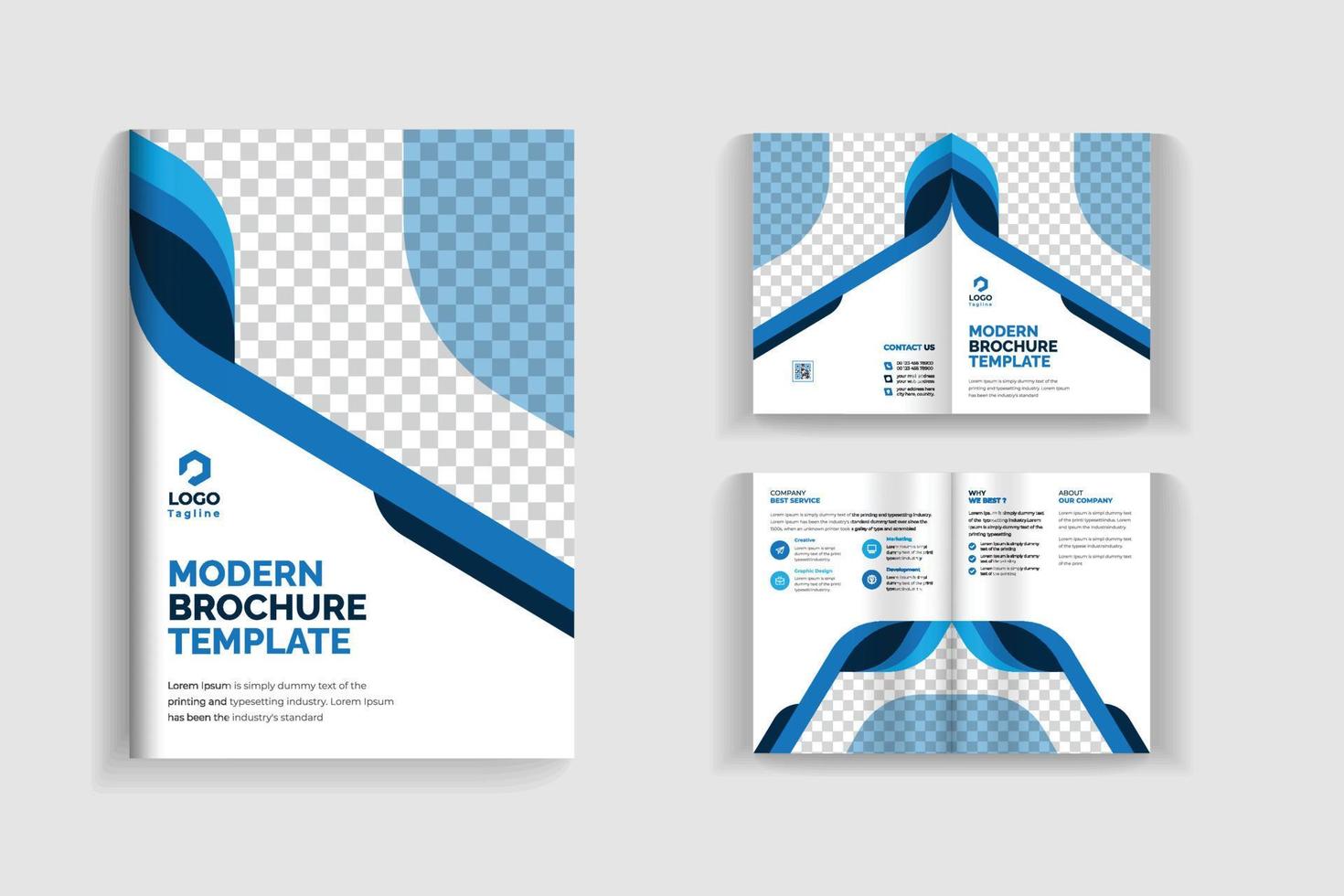
Minimalist flat brochure design, 4 pages clean and minimal multipurpose
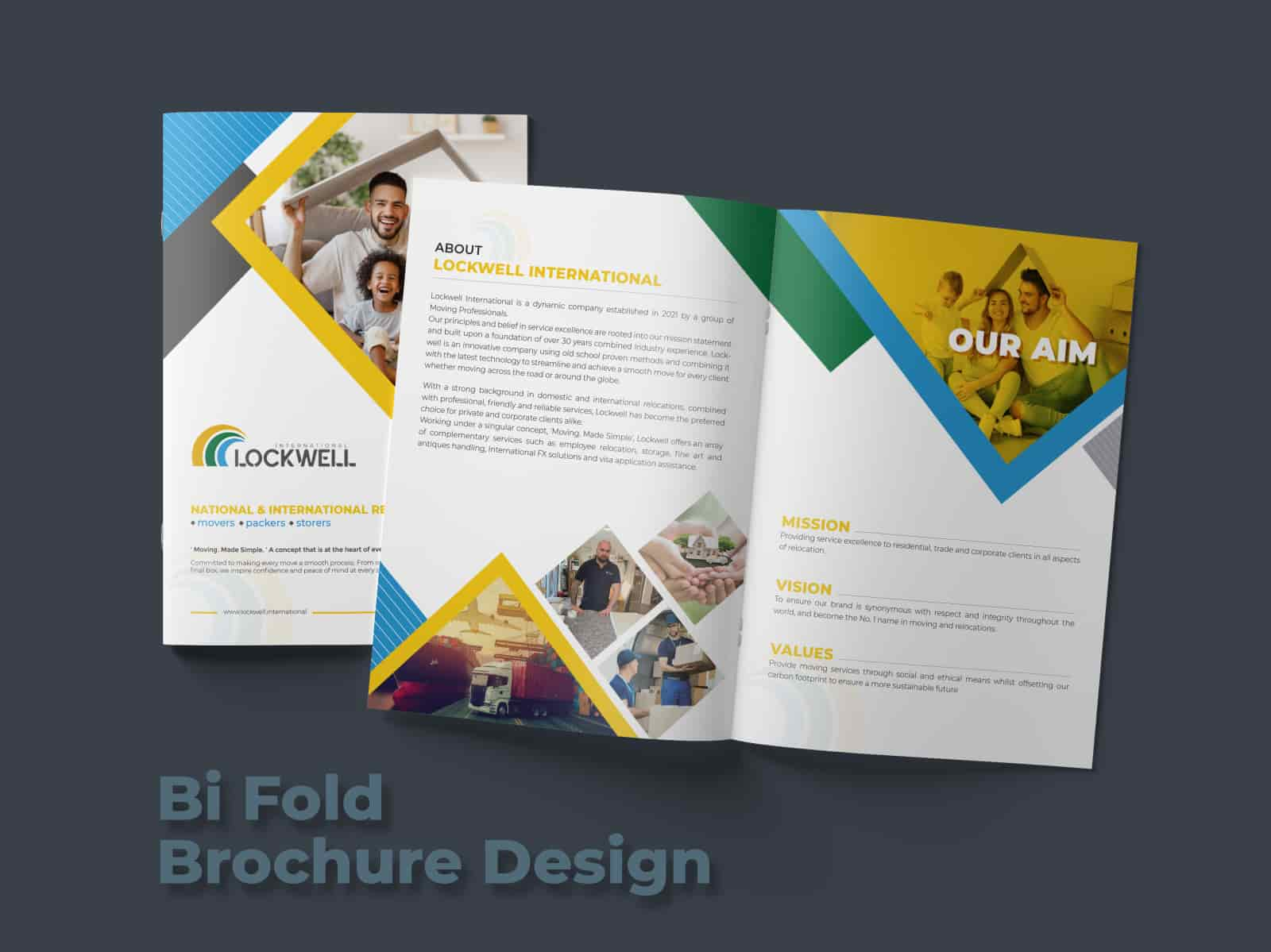
How to Make a Brochure (2025 Guide with Tips & Templates)
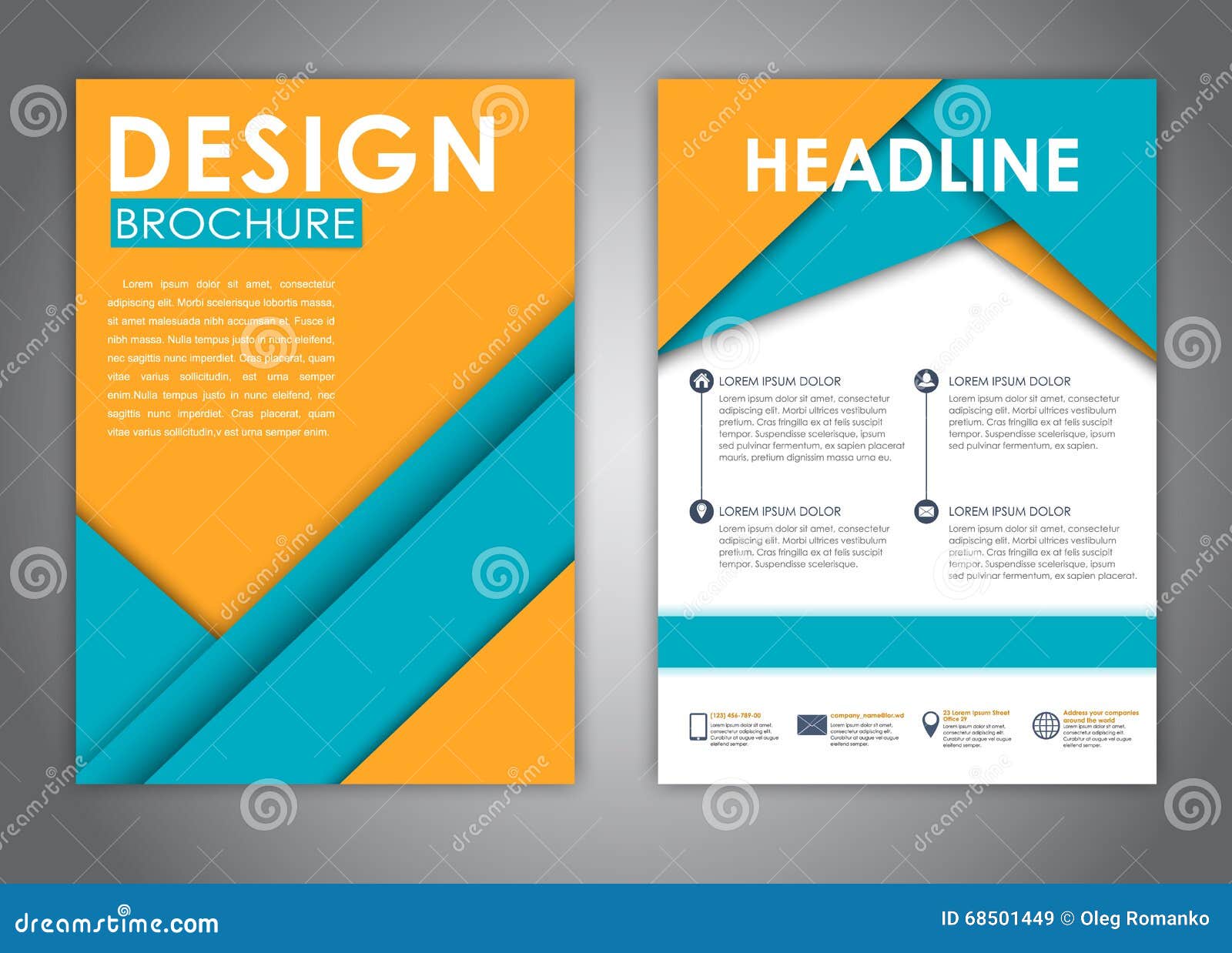
Brochures in the Style of the Material Design Stock Vector

35+ Marketing Brochure Examples, Tips and Templates Venngage
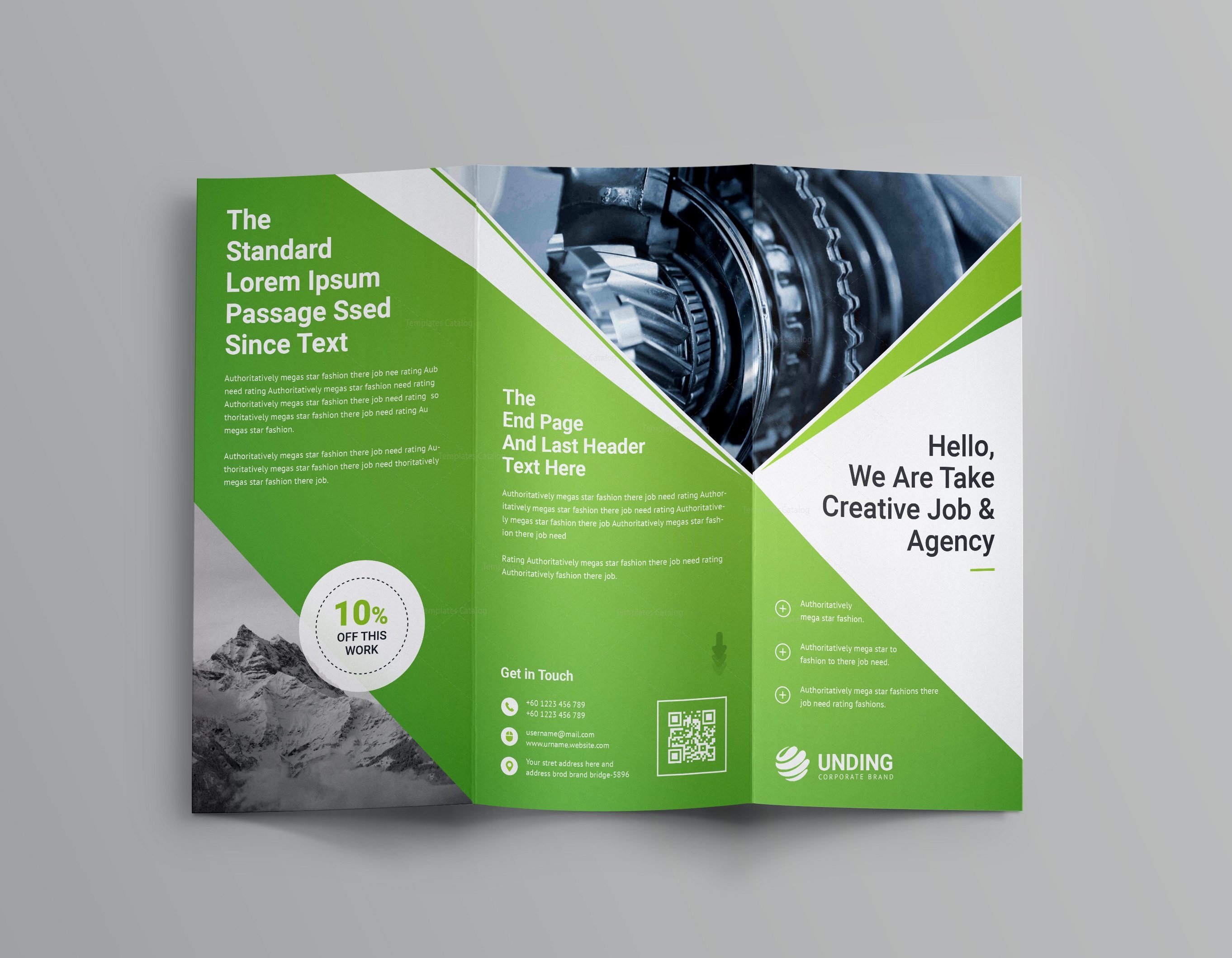
Pdf Brochure Examples at Leida Porter blog

25 brochure design tips

75+ Brochure Ideas To Inspire Your Next Design Project Venngage Gallery

35+ Marketing Brochure Examples, Tips and Templates (2025)
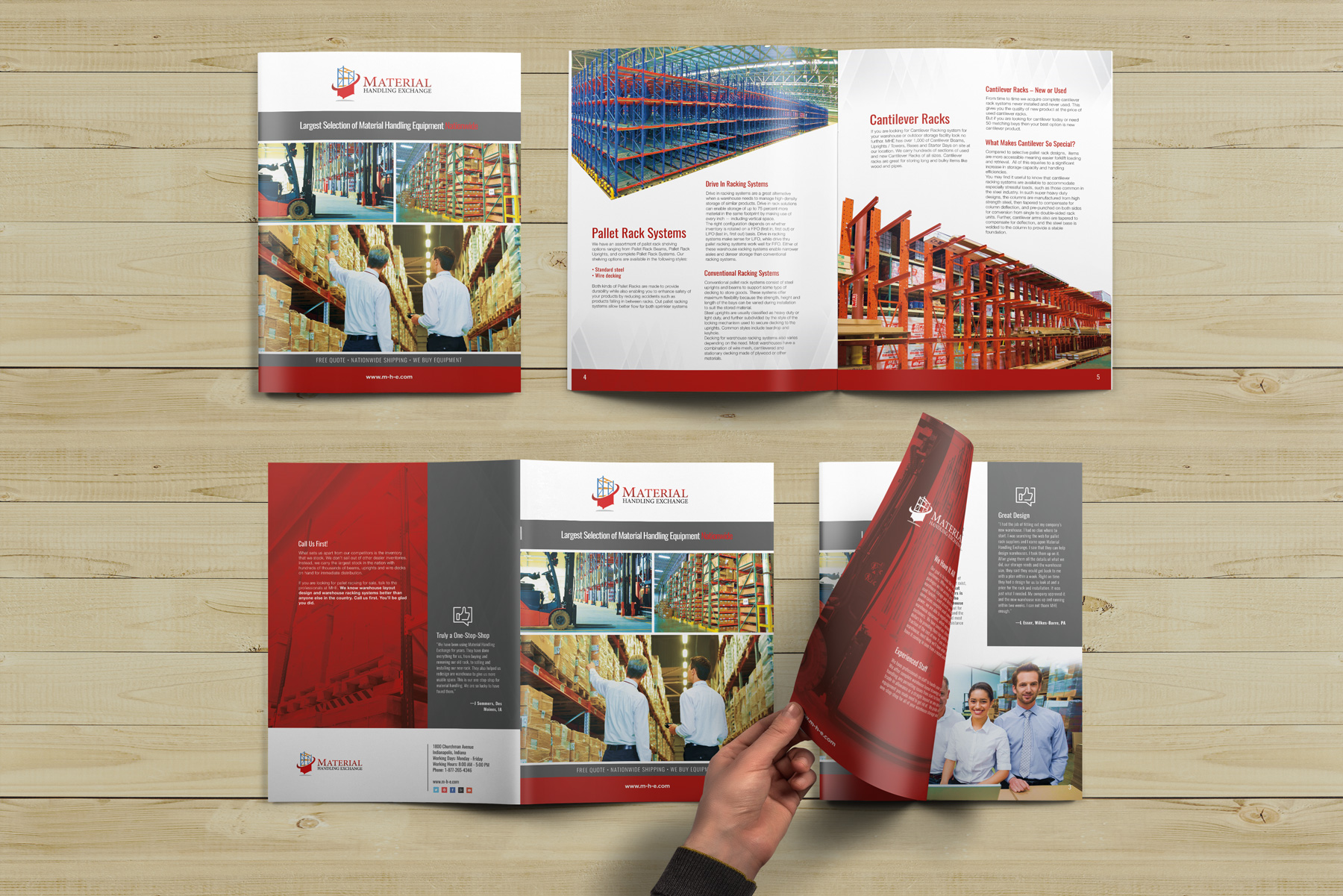
Material Handling Company Booklet Brochure Design and Printing

How to Choose a Perfect Brochure Type for Your Business FlippingBook Blog
If You’re Wondering About The Best Type Of Paper For Brochures, The Easy Answer Is That Most Brochures Will Look And Feel Good When They’re Printed On 100 Lb Silk Text.
By The End Of This Post, You’ll Have Everything You Need To Create, Design And Print A Great Brochure That Drives Results And Makes A Lasting Impact On Your Target Audience.
When You Talk About Brochure Paper, You’re Really Talking About Two Things:
These Materials Can Be Used For A Variety Of Purposes, Including Product.
Related Post: